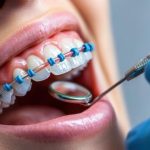

Are metal braces necessary if you desire straighter teeth? More and more people these days are going for clear aligners, as they appear simple and lighter and easily fit into daily life. Families looking for Orthodontics near Vaughan are turning to Invisalign. This treatment option can work quietly and gently without the use of wires and brackets.
This guide explains, step by step, how Invisalign straightens teeth, why it works without wires, and who it may be right for.
What is Invisalign and how is it different?
Invisalign is a teeth-straightening system that uses clear plastic aligners instead of metal braces. These aligners are custom-made to fit snugly over your teeth. Each set slowly moves teeth into better positions over time.
Unlike braces, Invisalign does not use:
- Metal wires
- Brackets glued to teeth.
- Tightening appointments
Instead, treatment relies on planned movements using a series of aligners that are changed regularly.
How Invisalign Straightens Teeth Without Wires
Invisalign relies on steady, controlled pressure. All aligners help apply gentle pressure to a specific tooth. A gradual process takes place where teeth get guided into their new positions.
This is the way it works.
- Every aligner differs slightly from the previous one.
- The movement of teeth is a gradual process.
- Evolution happens safely and slowly.
By means of a planned approach, the Invisalign system straightens teeth without wires effectively.
Step-by-Step Invisalign Treatment Process
Step 1: Digital Scan and Treatment Planning
Treatment begins with a digital scan of your teeth. This scan creates a 3D image showing how your teeth look now and how they will move during treatment. The full plan is mapped out before the first aligner is even worn.
This planning stage helps ensure accurate tooth movement without the need for adjustments using wires.
Step 2: Custom Aligners Are Made
Based on the scan, a full series of clear aligners is created. Each aligner is shaped to move teeth slightly closer to their final position.
These aligners are:
- Smooth and clear
- Designed to fit snugly
- Easy to remove for eating and brushing
Step 3: Wearing the Aligners Daily
In general, aligners are worn for a majority of the day, around 20–22 hours. The only times they are removed are when eating, brushing and flossing.
Regular use is essential due to.
- Teeth shift exclusively when aligners are positioned correctly.
- Unused hours can slow progress.
- Wearing your aligners every day ensures adherence to the treatment plan.
Step 4: Switching Aligners Over Time
Every one to two weeks, the aligners are changed. Each new set continues the movement started by the previous one.
This gradual system allows teeth to move:
- Safely
- Predictably
- Without sudden force
Step 5: Reaching the Final Smile
Once the last aligner is worn, teeth reach their planned positions. In many cases, retainers are recommended afterwards to help maintain results.
Why Invisalign Does Not Need Wires
Conventional braces use wires to pull the teeth into place. Invisalign takes wires out and replaces them with careful planning.
Instead of modifying wires
- Movement of teeth is planned digitally.
- Aligners provide precise pressure.
- Predictions when changes occur.
With this system, there is no need for tightening visits or discomfort from wires.
What Problems Can Invisalign Fix?
There are a variety of common alignment issues Invisalign can help with.
- Misaligned teeth
- Little spaces
- Tight teeth
- Minor nibbling problems
For patients who are considering Orthodontics in Maple, we frequently suggest Invisalign for mild to moderate cases.
Benefits of Invisalign Without Wires
There are multiple daily perks.
- Comfort: No wires to irritate the cheeks or gums.
- Appearance: It’s hard to tell that I’m wearing them.
- Ease of Eating: Remove Aligners for Meals
- Oral Care: Brushing and Flossing Made Easy
- Fewer visits: No wire tightening anymore.
These advantages explain why many opt for Invisalign near you to straighten teeth.
Who is Invisalign Best For?
Invisalign may be suitable for:
- Teens with mild alignment needs
- Adults who want a subtle option
- People who want fewer food limits
- Those with busy schedules
A professional assessment helps determine if Invisalign is the right choice for each case.
Does Invisalign Hurt?
Usually, you won’t experience pain with Invisalign, but a new aligner can cause mild pressure. The pressure indicates that the teeth are shifting per the plan.
Most patients commonly describe it as.
- Mild
- Short-term
- Simpler than twisting wires
How Long Does Invisalign Treatment Take?
The duration of the procedure depends on the tooth movement requirements. Some cases conclude in months, while some may take years.
Duration is affected by factors.
- Extent of tooth crowding.
- Bite Positioning.
- Wearing habits daily.
If you wear your aligners properly, you won’t get delayed.
A Modern Way to Straighten Teeth!
Want straighter teeth without wearing braces? Clear aligners may be a great treatment option for you, and Align Orthodontics can help. Please book a consultation with us today to make the first step towards a healthy smile.
Getting here is simple — just follow us on Google Maps for the best route. 📍
FAQs
Do aligners really move teeth without wires?
Yes, every aligner utilises gentle, controlled force, gradually shifting teeth into the appropriate position. There’s no need for metal wires and brackets.
Will it affect Speech?
It’s common for some to notice a slight lisp in the beginning, but this goes away after a few days. This is merely because the mouth is adjusting to the aligners.
Can aligners be removed anytime?
Yes. Aligners can be taken out for eating, brushing, and flossing, but they should be worn most of the day to keep treatment on schedule.
Is Invisalign noticeable?
Not much. The aligners are clear and sit close to the teeth, making them far less noticeable than traditional braces.