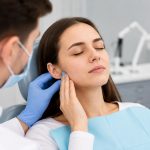
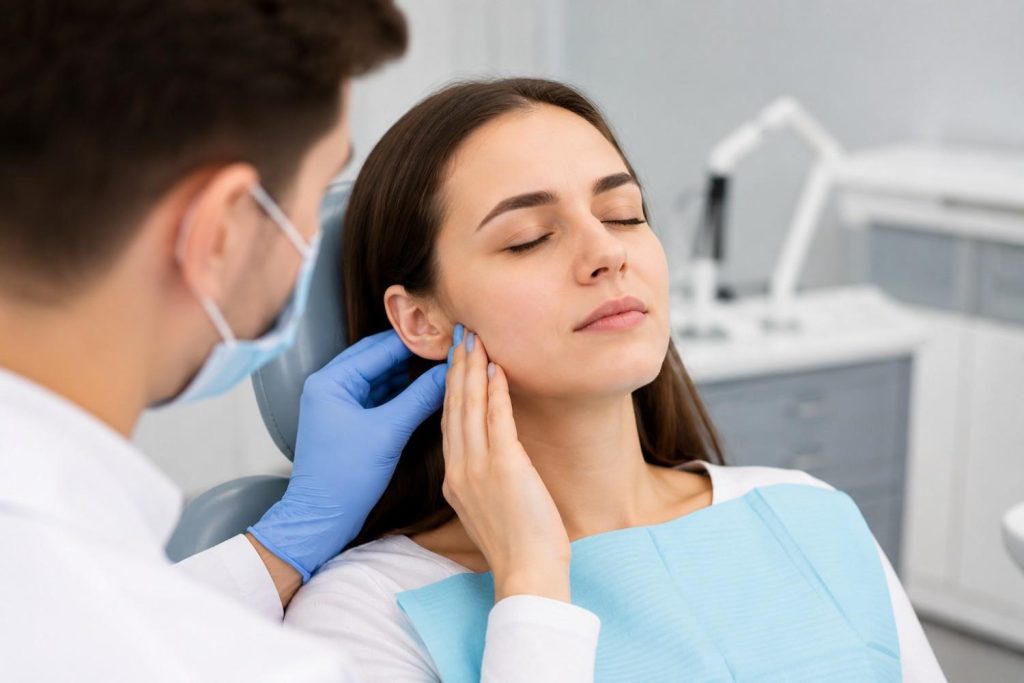
Why do jaw pain, headaches, or chewing discomfort often appear in patients looking for orthodontics in Brampton East? Many patients seeking orthodontic treatment often experience jaw pain, headaches, or discomfort while chewing, which may be related to TMJ (jaw joint) issues. Neuromuscular orthodontics focuses on improving the way jaw muscles, joints, and teeth work together to help reduce pain, improve balance, and support more comfortable daily movement.
This approach looks beyond teeth alignment and focuses on how the entire jaw system functions.
What Is Neuromuscular Orthodontics?
Understanding what neuromuscular dentistry is for TMJ disorder? helps explain how this treatment works.
Neuromuscular orthodontics examines how the jaw muscles and joints function and aims to position the teeth to support a natural, balanced jaw.
It focuses on:
- Jaw muscle balance
- Proper bite position
- Smooth and comfortable jaw movement
- Reducing pressure on the jaw joint (TMJ)
Unlike regular orthodontic treatment, this approach considers how the jaw functions and how the teeth appear.
How Neuromuscular Orthodontics Helps TMJ Pain
Patients often search for Neuromuscular Orthodontics in Brampton East when jaw pain begins to affect daily life.
This treatment may help by:
- Reducing pressure on the jaw joints
- Improving bite alignment
- Relaxing overworked muscles
- Supporting smoother jaw movement
- Decreasing headaches linked to jaw tension
When the jaw is properly balanced, discomfort can reduce over time.
Signs You May Need TMJ-Focused Orthodontic Care
If you are looking for orthodontics near you, you may notice symptoms before you understand the cause.
Common signs include:
- Jaw pain or stiffness
- Clicking or popping sounds in the jaw
- Headaches or ear discomfort
- Difficulty chewing or biting
- Teeth grinding or clenching.
These symptoms may indicate that the jaw is not working in a balanced way.
Neuromuscular Orthodontic Treatment for Jaw Pain
The Neuromuscular orthodontic treatment for jaw pain focuses on improving how the jaw functions, not just how teeth look.
Treatment may include:
- Bite analysis to understand jaw position.
- Muscle relaxation techniques
- Custom orthodontic adjustments
- Bite alignment correction
- Ongoing monitoring of jaw comfort
The goal is to achieve a stable, comfortable bite.
How the Jaw System Works Together
A combination of controls the jaw:
- Muscles
- Joints (TMJ)
- Teeth alignment
When one part is unbalanced, it can strain the entire system. Neuromuscular orthodontics aims to improve coordination between these parts.
Benefits of Neuromuscular Orthodontics
If you are searching for a TMJ pain relief orthodontist, you may want long-term relief rather than short-term fixes.
Key benefits may include:
- Reduced jaw pain and tension
- Improved chewing comfort
- Better bite stability
- Fewer headaches related to jaw strain
- Improved daily comfort
These benefits can improve the overall quality of life.
Who Can Benefit From This Treatment?
Neuromuscular orthodontics can benefit:
- Persons suffering from constant jaw pain
- Individuals showing signs of TMJ disorder
- People with an uneven bite.
- Patients who suffer from headaches
- Who has grinding tendencies?
This can be determined through a thorough assessment.
Why Jaw Balance Matters
A balanced jaw helps:
- Reduce muscle strain
- Improve speaking and chewing.
- Prevent teeth from wearing unevenly.
- Support healthy jaw joints in the long run.
When the jaw is misaligned, even simple tasks like eating can feel uncomfortable.
What to Expect During Evaluation
A typical check-up may include:
- Checking how your jaw moves
- Examining your bite
- Testing how your muscles respond
- Talking about your symptoms and dental history
This helps determine how your jaw is working and whether there is any imbalance.
Better Jaw Balance Starts With the Right Care!
TMJ treatment through neuromuscular orthodontics addresses joint issues by considering the jaw muscles and joint as a single unit. Better functioning of the unit could minimize pain, relieve stress, and improve day-to-day functionality. To get an expert opinion about your condition, visit Align Orthodontics and schedule an appointment.
FAQs
Is neuromuscular orthodontics only for severe jaw pain?
No, it can help both mild and severe jaw discomfort depending on the condition and how the jaw muscles and joints are functioning.
Does TMJ treatment always involve braces?
No, treatment does not always include braces. It depends on your jaw alignment, bite, and personal needs.
Can jaw pain get better without treatment?
Mild jaw pain may improve on its own, but a dentist should always check ongoing or worsening pain.
How long does treatment take?
Treatment time is different for everyone and depends on how serious the jaw problem is and how the body responds to care.